

Let's be actual for a second.
The majority of trainees don't fight with writing. IGNOU Project Submission Guide battle with style.
You open one sample documents and it looks different. Open up another, entirely various again. Then you inspect some YouTube video clip, and now you're even more overwhelmed.
Exactly what is the right style?
Fact is, IGNOU format is not made complex. It's simply terribly clarified all over.
So rather than throwing policies at you, allow's simplify in easy words. Step by step. What goes where. Why it matters. And just how you ought to really do it.
First Thing You Need to Understand.
Layout is not decor.
It's not about making your task "look excellent".
It's about making your project legible and structured. So whoever checks it can quickly understand your job without getting inflamed.
If your style is messy, also excellent material feels complicated.
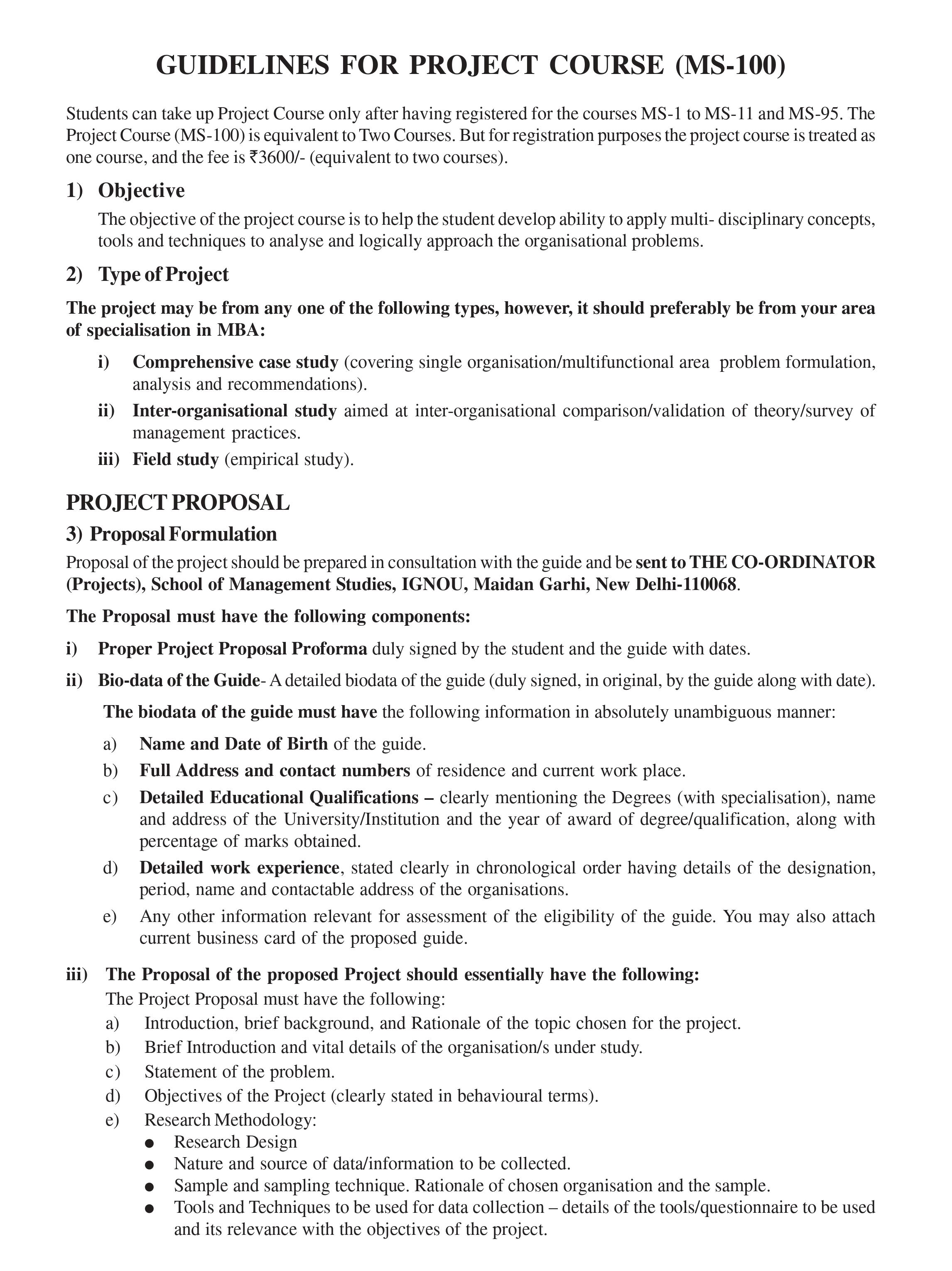
Basic Framework of IGNOU Job.
Virtually every IGNOU project complies with a similar circulation.
Not specifically word to word, but close sufficient.
Below's the framework:.
Cover Page.
Certificate.
Declaration.
Recognition.
Tabulation.
Chapter 1-- Introduction.
Chapter 2-- Testimonial of Literary works.
Chapter 3-- Study Approach.
Chapter 4-- Information Evaluation.
Phase 5-- Searchings For and Verdict.
Bibliography.
Appendix (if required).
Now let's go individually. No complication.
1. Cover Web Page (First Impression).
This is the front page of your task.
Keep it clean. No over design.
Consist of:.
Job title.
Your name.
Registration number.
Course name.
Research facility.
Entry year.
That's it.
Don't add unnecessary graphics or colors. Straightforward works much better here.
2. Certificate Web page.
This is typically signed by your manager.
It primarily validates that:.
You have finished the job under assistance.
Format is typically taken care of. You can find example and follow it.
Simply see to it:.
Names are appropriate.
Information are accurate.
Tiny mistakes right here look careless.
3. Affirmation Page.
This is your declaration.
You are declaring that:.
This project is your own work.
You really did not copy from someplace.
Maintain it simple. One page suffices.
Include your:.
Call.
Signature.
Date.
4. Acknowledgement (Don't Overdo It).
This is where pupils go overboard.
Lengthy psychological paragraphs saying thanks to every person from instructor to family to buddies.
You don't require that much.
Just compose a brief paragraph:.
Thank your overview.
Possibly point out institution.
Maintain it authentic. Not significant.
5. Tabulation.
This is essential.
It reveals:.
What is inside your job and where.
Consist of:.
Chapter names.
Page numbers.
Make sure page numbers match exactly.
If they don't, it looks unprofessional.
Now Comes the Main Material.
This is where your actual project begins.
Chapter 1: Introduction.
This is your beginning point.
Explain:.
What your topic is.
Why you selected it.
What you are trying to research.
Likewise include:.
Goals.
Extent of research.
Maintain it clear.
Don't attempt to sound as well formal. Just be understandable.
Phase 2: Testimonial of Literature.
This seems hefty, however it's straightforward.
You simply need to reveal:.
What other people have already stated concerning your topic.
Include:.
Previous studies.
Research study papers.
Articles.
Do not copy paste.
Read, comprehend, then write in your own words.
Also 5 to 6 excellent recommendations suffice.
Chapter 3: Research Technique.
This chapter clarifies your procedure.
Exactly how did you actually do the research study?
Include:.
Kind of study.
Experience dimension.
Data collection approach.
Devices made use of.
Example:.
You did a study of 50 people utilizing a questionnaire.
Just claim that clearly.
No need to make it made complex.
Phase 4: Information Evaluation.
This is where your data is available in.
Existing your searchings for using:.
Tables.
Graphes.
Percents.
Then discuss what the information programs.
Don't just throw numbers.
Clarify them in straightforward language.
Chapter 5: Searchings For and Verdict.
Now connect every little thing.
What did you find out?
Summarize:.
Key results.
Main observations.
Maintain it right.
No need for long philosophical lines.
Bibliography.
This is your reference area.
Reference:.
Publications.
Sites.
Articles.
Use an easy style.
Example:.
Author name, title, year.
Simply correspond.
Appendix (If Needed).
This is optional.
You can include:.
Survey.
Additional information.
Sustaining product.
Not necessary, yet valuable if you have it.
Formatting Policies (Extremely Essential).
Currently comes the part most students ignore.
These small things actually matter.
Font.
Usage something easy like:.
Times New Roman.
Dimension 12 for material.
Spacing.
Usage:.
1.5 line spacing.
Not as well tight. Not also large.
Margins.
Maintain appropriate margins on all sides.
Usually:.
Left side somewhat a lot more (for binding).
Headings.
Make headings clear.
Use bold or a little bigger size.
So it's very easy to check out.
Page Numbers.
Add web page numbers effectively.
Normally at bottom facility or right.
Do not miss this.
Example Framework (Straightforward View).
Let's make it incredibly clear.
Your project will resemble this:.
Cover Page.
Certification.
Declaration.
Recognition.
Table of Contents.
Then:.
Chapter 1: Introduction.
Chapter 2: Literature Testimonial.
Chapter 3: Method.
Phase 4: Information Analysis.
Chapter 5: Verdict.
After that:.
Bibliography.
Appendix.
That's your complete framework.
Absolutely nothing additional required.
Usual Style Errors Students Make.
Allow's rapidly take a look at what normally fails.
Blending various layouts.
Some pages look one means, others different.
Looks unpleasant.
Incorrect page numbering.
Tabulation states web page 10, however web content is on web page 12.
Not good.
No proper headings.
Whatever appears like one long paragraph.
Hard to read.
Disregarding spacing and margins.
Text looks cramped or too loosened.
How to Stay clear of All This.
Simple.
Follow one layout from beginning to finish.
Don't maintain altering designs in between.
Before printing:.
Scroll when from top to bottom.
Check uniformity.
One Honest Point.
Layout alone won't save your task.
But negative style can most definitely reduce its quality.
So equilibrium both:.
Excellent material.
Clean format.
That's enough.
Final Ideas.
IGNOU task format is not as complex as it looks.
It simply needs a little attention.
When you recognize the structure, everything ends up being less complicated. You stop presuming. You stop panicking.
And writing actually really feels workable.
Do not try to make it best.
Just make it clear, tidy, and total.
That functions.